

Collective insight, real change.
“Grounded in evidence, but always focused on the whole person - not the label.”
Schools and Education Settings
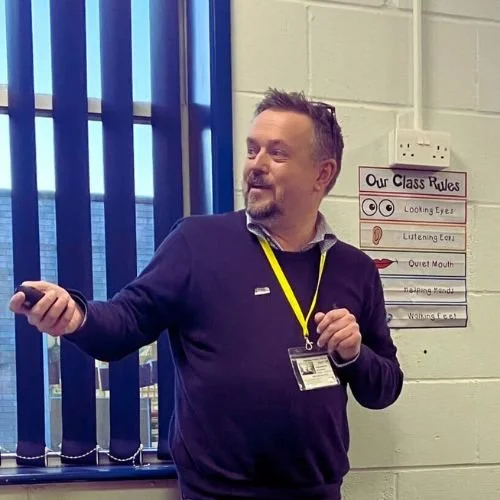
Neuroinclusive training for schools, trusts and organisations focused on improving understanding, classroom practice, staff confidence and inclusive school culture.
Sessions are grounded in the realities of schools - competing priorities, accountability pressures, and the need for approaches that work day to day, not just in theory.
Training
-
This training is not designed to deliver ready-made solutions or quick fixes.
Instead, it creates space for staff and leaders to deepen understanding, challenge assumptions, and strengthen professional judgment in relation to neurodiversity and inclusion.
The focus is on helping schools think more clearly and confidently about the children and young people in front of them.
-
This training does not offer ready-made solutions or quick fixes. It is designed to build professional understanding and judgement around neurodiversity and inclusion.
The approach is:
Evidence-informed and structured. Grounded in a clear framework rather than a fixed programme, with emphasis and depth adjusted to reflect context and priorities.
Informed by the EEF’s guidance on effective professional development, including:
sustained learning over time
relevant to staff roles and contexts
opportunities for reflection and professional dialogue
-
Drawing on senior leadership experience in schools, consultancy across different settings, and lived experience of ADHD and Autism - as a school leader, parent and individual navigating education systems from multiple perspectives
Focused on thinking, not fixing - supporting schools to think more clearly and confidently about children and young people, rather than delivering prescriptive solutions.
-
Training is flexible and responsive to school needs, while remaining grounded in professional dialogue.
Delivery
In-person, online, or hybrid
Session length
Whole-day INSET
Half-day sessions
Twilight sessions (1-1.5 hours)
Audience
Senior leadership teams
Teachers
Teaching assistants
Non-teaching staff
Governors and trustees
Central teams
Parent groups
Sessions are shaped to the audience, recognising that inclusion can look different depending on role, responsibility, and perspective.
-
Alongside live training, I work with trusts and organisations to develop bespoke online professional learning content.
This is designed to:
support consistency across schools and teams
enable reflection and sustained professional development over time
complement live training and consultancy.
Online professional learning is typically developed in response to organisational priorities, and used to support coherence and depth across larger organisations or multi-academy trusts.
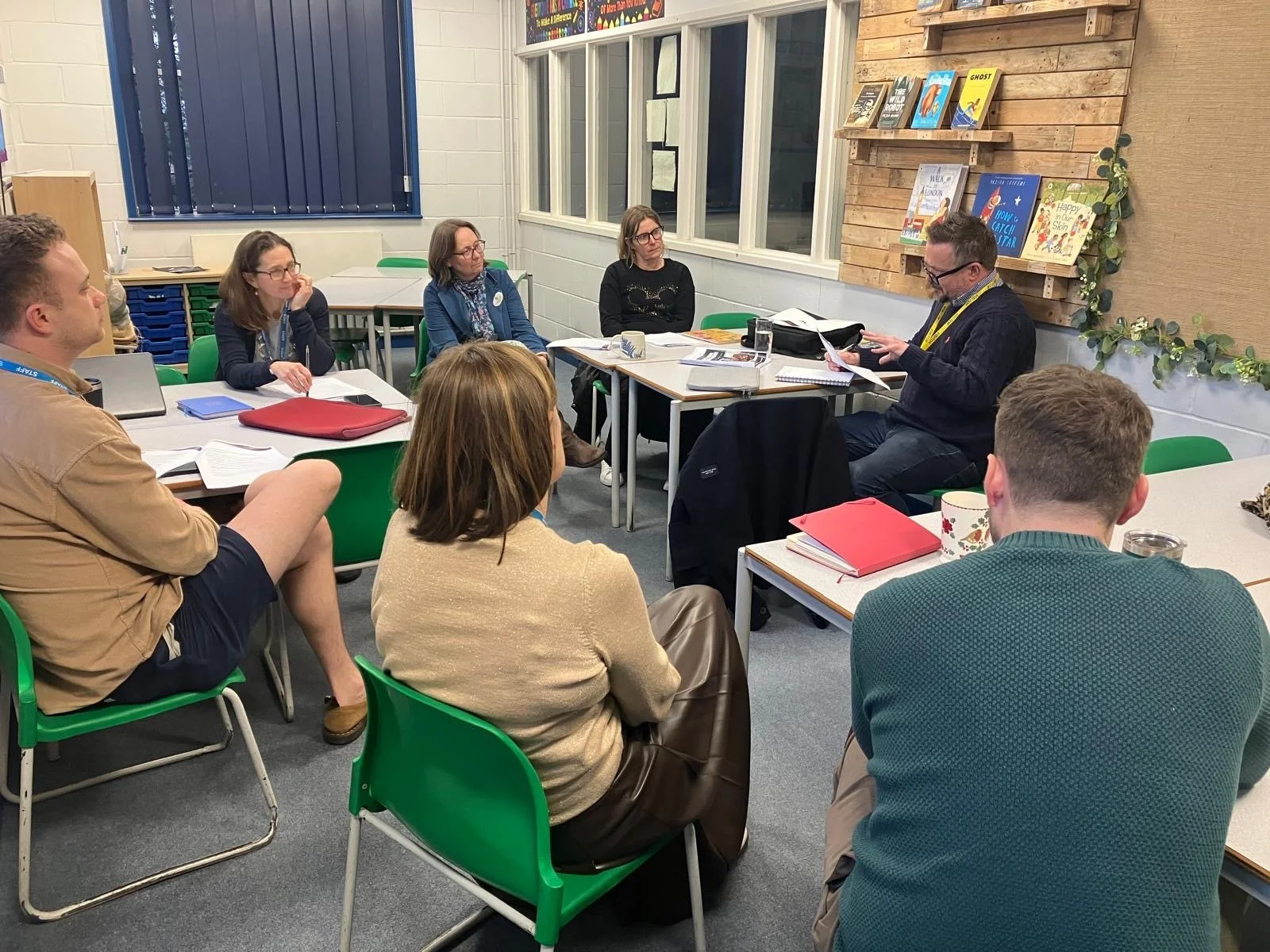
Consultancy support for school leaders, trusts and organisations looking to strengthen neuroinclusive practice at a whole-school or system level.
This work focuses on helping leaders think clearly about inclusion, systems, and decision-making in complex, high-pressure school environments.
Consultancy
-
Structured consultancy to support schools and trusts to think clearly about neurodiversity and inclusive learning cultures, in the context of inspection, accountability, and real-world school pressures, including those set out by Ofsted.
One-day reviews focused on neurodiversity and inclusive learning cultures
Focused conversations with senior leadership teams
Exploring strengths, pressures, and systemic priorities
Clarifying informed next steps
This work does not involve individual pupil assessment or behaviour intervention.
It focuses specifically on learning culture and neurodiversity, rather than all aspects of inclusion.
-
Support for schools to think about inclusion as a whole-school learning culture, designed to work for a wide range of learners from the outset.
Inclusive learning cultures shaped by an understanding of neurodiversity
Universal design approaches that benefit all learners
Executive function skills development at a systems level
Early intervention approaches that reduce later escalation
The emphasis is on coherence, culture, and design — not add-ons or checklists.
-
Consultancy supporting alignment between values, policy, and lived experience for both students and staff.
Reviewing inclusion, behaviour, SEND, or attendance policy through a neurodiversity lens
Working with leadership teams and HR
Supporting conversations around reasonable adjustments
Advice and reflective support informed by experience of workplace processes, including Access to Work
This work is informed by senior leadership experience and lived experience of navigating workplace processes, enabling a grounded, humane, and credible approach.
-
One-off reviews
Project-based consultancy
Longer-term reflective support
Scope and duration are shaped by organisational context and need.
International Schools
Training and consultancy for international schools, shaped by extensive experience of teaching in and leading international schools.
My work is informed by an understanding of how education, inclusion, and neurodiversity are interpreted within international school communities.
-
Professional learning focused on neurodiversity and inclusive learning cultures
Professional learning focused on neurodiversity and inclusive learning cultures
Designed for international school contexts and diverse staff teams
Training can be tailored for teachers, support staff, middle and senior leaders and non-teaching staff
Training can be delivered as a full or half-day session in-person or online for shorter sessions.
Training supports shared language, confidence, and consistency of practice across the school.
-
Reflective consultancy supporting schools to think clearly about inclusion at a whole-school level
Focus on - inclusive learning cultures, wellbeing and regulation, coherence between values, policy, and everyday practice
Shaped by experience of teaching in and leading international school communities
Designed to sit naturally within ongoing review and development cycles
This work does not involve individual student assessment or behaviour programmes.
-
Extensive senior leadership experience overseeing CIS accreditation and IB authorisation
Supporting leadership teams to:
Articulate a clear approach to inclusion, wellbeing, and learning culture
Ensure coherence across leadership, staff, and governance
Use accreditation as a reflective and developmental process, not a compliance exercise
-
Keynotes and facilitated sessions for:
Whole-school communities
Conferences and professional learning events
Parent audiences
School boards/governing bodies
Drawing on senior leadership experience and lived experience of ADHD
Focused on:
Neurodiversity and self-perception
Inclusive learning cultures
Leadership, identity and belonging
Keynotes are designed to prompt reflection, shared understanding and meaningful conversation.
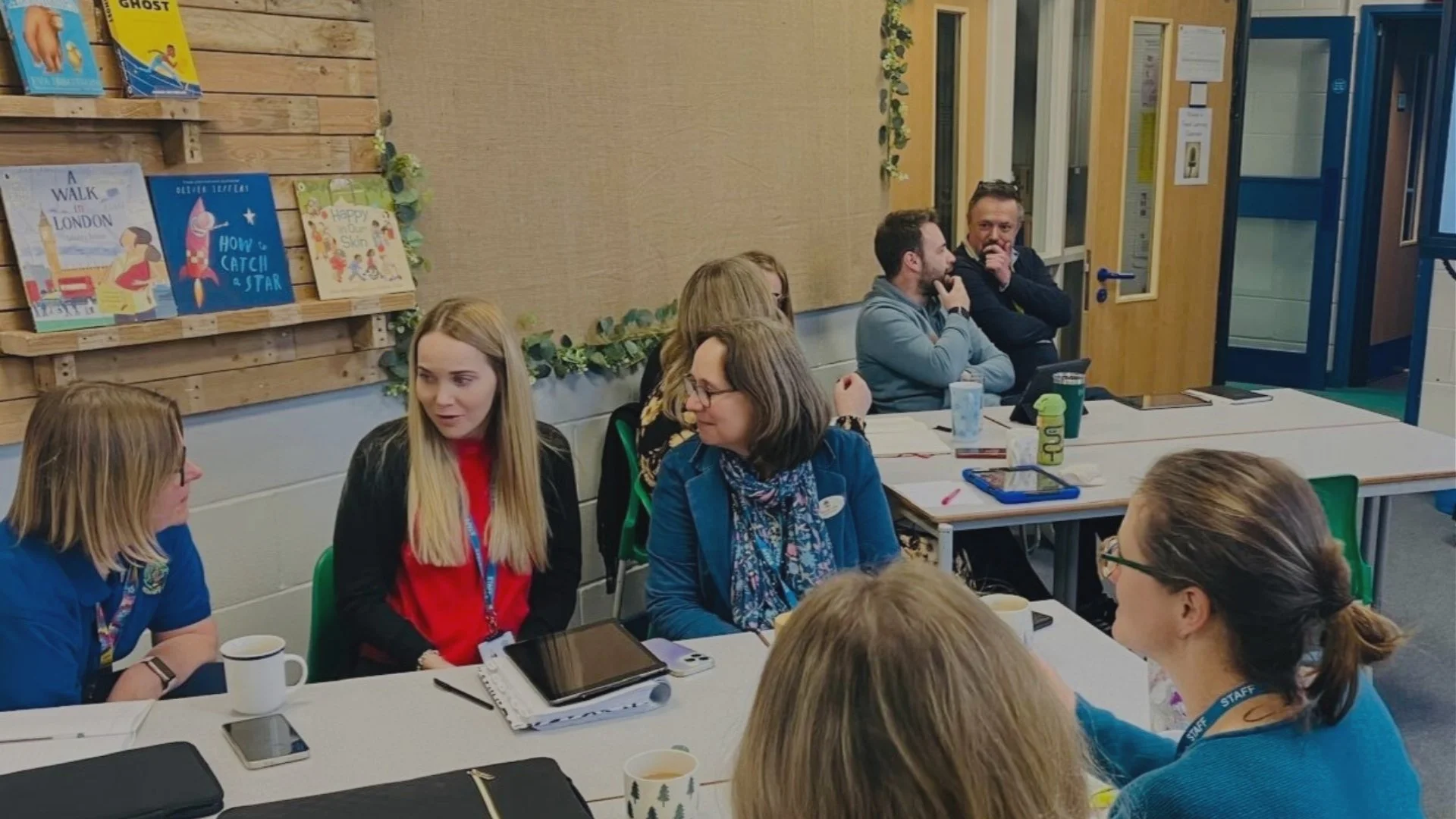
“Chris’s perspectives are relatable, actionable, and rooted in the realities of teaching and leading schools.”
Tara Marshall, Headteacher